
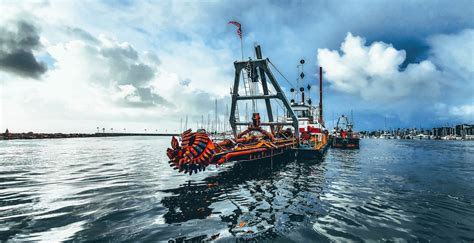
Precise dredging in tight spaces
Marina & Mechanical Dredging
When space is tight or the bottom is hard, we dig it out. Excavators and barges deepen marina slips, channels and dock areas with precision.
- Works between docks & in tight slips
- Handles rock, clay & dense material
- Precise around contaminated layers
- Spoils drained, trucked or spread
Get a Free Marina & Mechanical Dredging Estimate
No obligation. A real expert follows up.
- ✔ Honest advice, with cheaper options if there are any
- ✔ Clear written price
- ✔ Permits handled for you
Since 2013
serving West Michigan from Fruitport
200,000
cubic yards dredged on one lake job
40+ yrs
team experience on Great Lakes waters
100%
of permits handled for you
What Is Mechanical Dredging?
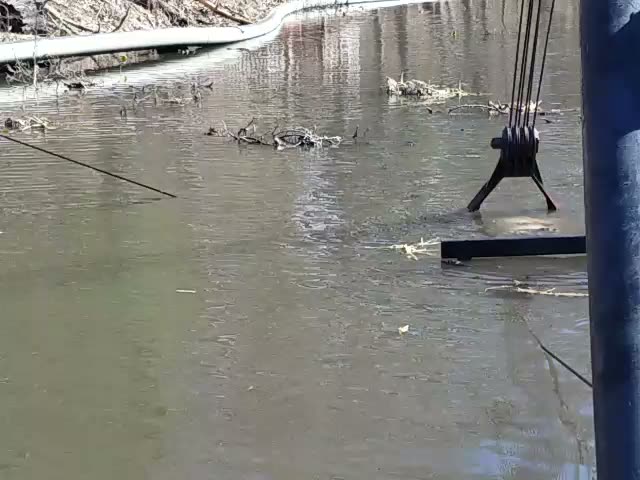
It's dredging with a giant shovel: a hydraulic excavator or a crane with a bucket, working from shore or from a barge. Each bucket is lifted out and placed on land, in a truck or in a floating container called a scow.
It's the right tool when:
- ✓Marina slips between docks need deepening
- ✓You can dig from shore and spread or truck the spoils
- ✓The bottom is rock, clay or dense material
- ✓A contaminated layer must be removed precisely
- ✓Space is too tight for a pipeline dredge
How it works
Our Marina & Mechanical Dredging Process
-
1
Measure the volume
Length × width × depth ÷ 27 = cubic yards. We confirm depths on site.
-
2
Plan the access
Dig from shore, or bring in a deck barge with spuds, scows and a push boat.
-
3
Test & permit
Sediment testing and the EGLE / Army Corps Joint Permit Application, prepared and filed for you.
-
4
Dig
Each bucket cycle takes 1–15 minutes depending on the machine and bucket size. Calm water keeps depths accurate.
-
5
Drain & haul
Spoils are stockpiled to drain, then loaded into trucks or spread on site.
-
6
Final grade
We leave the area clean and graded.
Straight Talk: Pros & Cons
We'd rather you know the facts before you hire anyone.
Advantages
- +Works in tight spaces like marina slips
- +Digs dense material such as rock and clay
- +Precise, so less extra material to treat or landfill
- +No settling pond needed when spoils are trucked
Things to know
- −Working from the water takes barges, scows and a push boat
- −Production is harder to predict than pumping
- −Needs fairly calm weather
- −Spoils are handled more than once (drain, then haul)
By the Numbers
1–15 min
per bucket cycle, depending on equipment
12 yd³
per load in a typical 3-axle dump truck
8,889 yd³
in a 500′ × 60′ channel, 8′ deep
≈ 741
truckloads for that channel
Worked example
A 500 ft × 60 ft channel = 30,000 ft². Remove an 8 ft layer = 240,000 ft³. Divide by 27 = 8,889 yd³. At ~12 yd³ per dump truck, that's about 741 loads.
Planning marina dredging?
Get the free Michigan Waterfront Permit Checklist: sediment testing, the Joint Permit Application and timelines.
Marina & Mechanical Dredging FAQ
Can you dredge between my docks?
Yes. Mechanical dredging with an excavator or barge is the right tool for slips and the space between docks.
Where do the spoils go?
They're stockpiled to drain, then trucked to an approved site or spread on your property where allowed.
What about contaminated sediment?
Special flat-closing clamshell buckets and depth-positioning software let us remove a contaminated layer precisely. That keeps the amount needing treatment or landfill as small as possible.
Mechanical or hydraulic, which is better?
Mechanical suits tight spaces, dense material and smaller volumes. Hydraulic is usually more cost-effective for large volumes when there's room for a pipeline and settling pond.
Do I need a permit?
Yes. Dredging needs an EGLE / U.S. Army Corps Joint Permit Application, usually with sediment testing. We handle it.
Marina & Mechanical Dredging Near You
Ready to Talk About Your Marina & Mechanical Dredging Project?
Free estimate. Honest advice. Permits handled.