
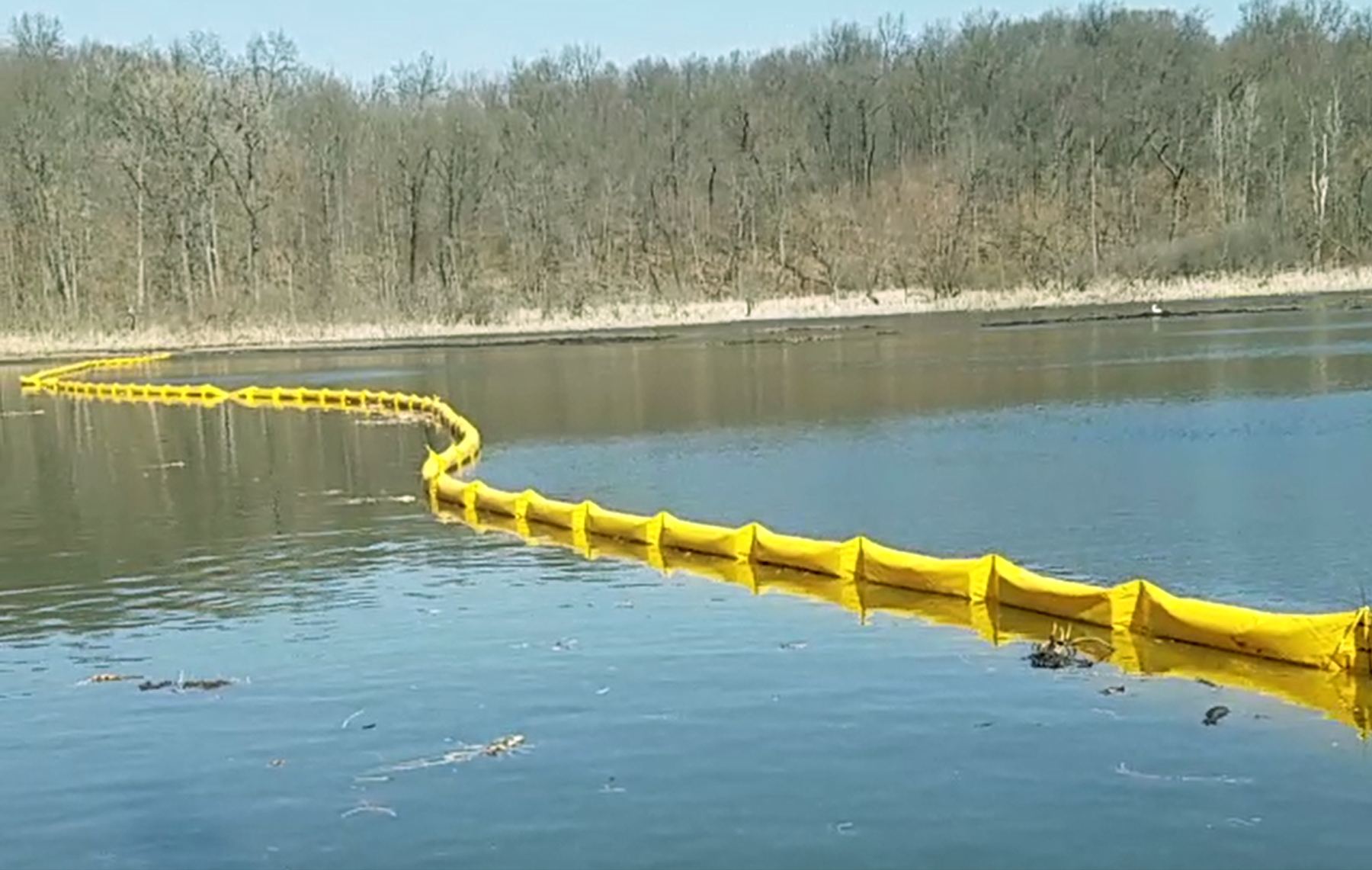
Our own cutter-suction dredge
Hydraulic Lake Dredging
Bring back depth for boating, fishing and swimming. Our dredge loosens silt and pumps it through a pipeline to a settling pond, with no trucks on your roads.
- Own 10″ × 8″ cutter-suction dredge
- Pipelines up to miles long
- Sediment testing & spoils site planned
- EGLE & Army Corps permits handled
Get a Free Hydraulic Dredging Estimate
No obligation. A real expert follows up.
- ✔ Honest advice, with cheaper options if there are any
- ✔ Clear written price
- ✔ Permits handled for you
Since 2013
serving West Michigan from Fruitport
200,000
cubic yards dredged on one lake job
40+ yrs
team experience on Great Lakes waters
100%
of permits handled for you
What Is Hydraulic Dredging?
Think of it as underwater excavating. A floating dredge lowers an arm with a spinning cutterhead to the depth you want. The cutter loosens the bottom. A pump pulls up the silt-and-water mix and pushes it through a pipeline to a settling pond. The clean water flows back to the lake, and the silt stays behind.
You may need it if:
- ✓Your boat can't reach the dock anymore
- ✓The lake is shallow, weedy or mucky
- ✓Fishing has fallen off
- ✓Channels and inlets have filled in
- ✓Your lake association is planning a restoration
How it works
Our Hydraulic Dredging Process
-
1
Measure the volume
Length × width × depth of silt, divided by 27, gives cubic yards. That number sizes everything else.
-
2
Find a spoils site
An upland field (not wetland) with room for a settling pond and a pipeline route. Farmers often welcome the rich silt.
-
3
Build the budget
Mobilization, dredging hours with crew and supervision, then demobilization. You get a clear written price.
-
4
Test & permit
Sediment testing and the EGLE / Army Corps Joint Permit Application. We prepare and file it.
-
5
Dredge
The dredge swings across the cut on anchors and steps forward on its spuds. Depth stays accurate the whole way.
-
6
Wrap up
We remove the dredge and pipeline. The spoils pond drains and firms up over the following months.
Straight Talk: Pros & Cons
We'd rather you know the facts before you hire anyone.
Advantages
- +Moves high volumes at a relatively low cost once set up
- +Depth is controlled accurately
- +Material is handled only once, lake to pond
- +Pumps long distances and uphill (with a booster pump)
- +No dump trucks on your roads
Things to know
- −Hard clay doesn't dredge efficiently with this method
- −Setting up and removing the dredge and pipeline takes real work
- −Wind and waves can pause work, so finish dates need some allowance
- −Needs a spoils site with room for a settling pond
By the Numbers
10″ × 8″
cutter-suction dredge we own
~15%
solids in the discharge; the rest is water returned to the lake
~1.5M gal
a small dredge can pump in a 10-hour day; the pond is sized for it
200,000 yd³
dredged on one lake job
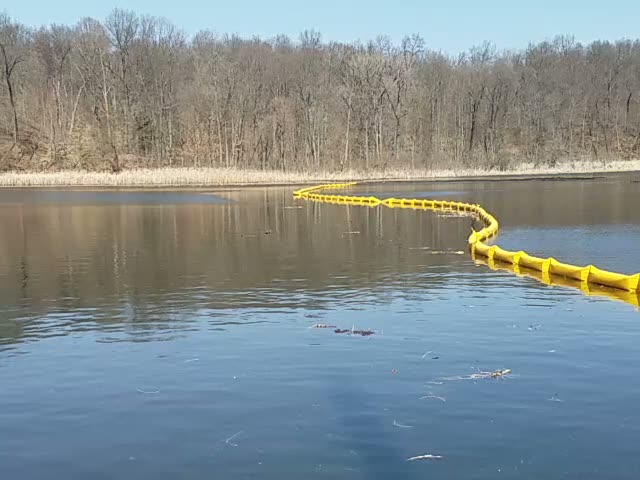
Real project · Mirror Lake
A 12-Acre Lake, Brought Back to Life
Silt had made a private lake unusable. We tested the sediment, got the EGLE permit, built a 4.5-acre spoils pond ½ mile away and dredged about 50,000 yd³. The lake was ready for boats as soon as we finished.
Lake association or board?
Get our free Lake & Dam Funding Playbook: lake boards, special assessments and grants explained.
Hydraulic Dredging FAQ
How much does lake dredging cost?
Cost depends mostly on the cubic yards removed, the distance to the spoils site, access and mobilization. Use our free dredging calculator for your volume, then request a free estimate.
Where does the silt go?
It's pumped to a settling pond on an upland site, often a nearby farm field. The water drains back to the lake and the silt stays in the pond, where it can later be spread or used as fill.
Do I need a permit to dredge?
Yes. Dredging in Michigan needs an EGLE / U.S. Army Corps Joint Permit Application, usually with sediment testing. We prepare and file everything.
How long does a dredging project take?
It depends on volume, pipeline length and weather. Waves can pause hydraulic dredging, so we build a realistic allowance into the schedule.
Can you dredge clay?
Hydraulic dredging doesn't cut hard clay efficiently. For clay, rock or dense material, mechanical dredging with an excavator is usually the better tool.
Ready to Talk About Your Hydraulic Dredging Project?
Free estimate. Honest advice. Permits handled.